Written by Dr Nandan Jha, MBBS, MRCEM, MRCGP · October 2026
The mineral you’ve been told to fear might be the one protecting you
Every now and then in clinic, someone sits down in front of me after a kidney stone and says:
“I’ve stopped all my calcium. No milk, no yoghurt, no tablets. That’s the treatment, isn’t it?”
It makes sense. Most kidney stones contain calcium, so cutting calcium feels like the obvious fix. But the latest medical guidelines from the UK, Europe and the USA all agree: cutting calcium from your diet doesn’t prevent stones, and it can make things worse.
To understand why, we first need to understand the stone itself.
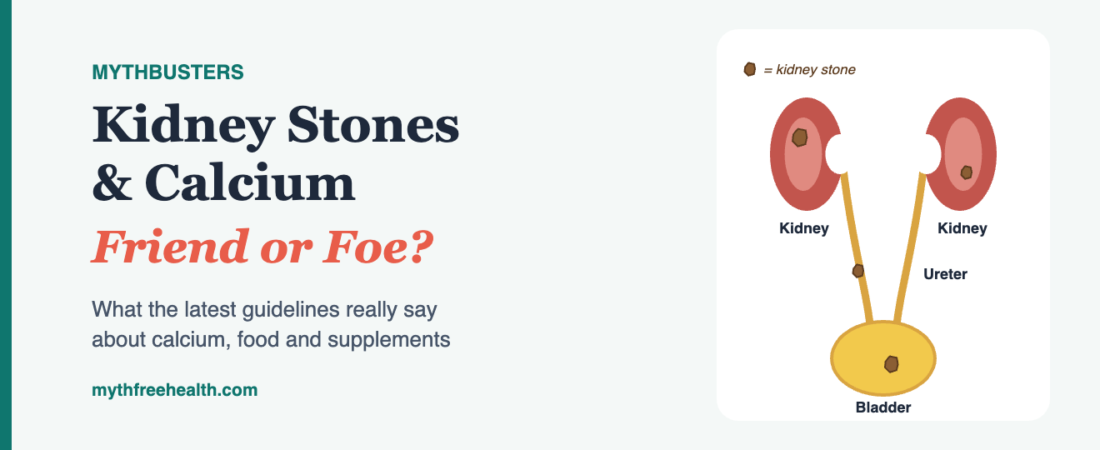
🔬 What is a kidney stone?
Your kidneys clean your blood. They filter out waste and extra minerals, such as calcium, oxalate, uric acid and phosphate, and flush them out in your urine.
Normally these minerals stay dissolved, like salt stirred into water. Your urine also contains natural “anti-stone” helpers, such as citrate, which stop tiny crystals from sticking together.
A stone forms when that balance tips. The minerals turn into tiny crystals, the crystals stick together, and over weeks or months they grow into a hard stone.
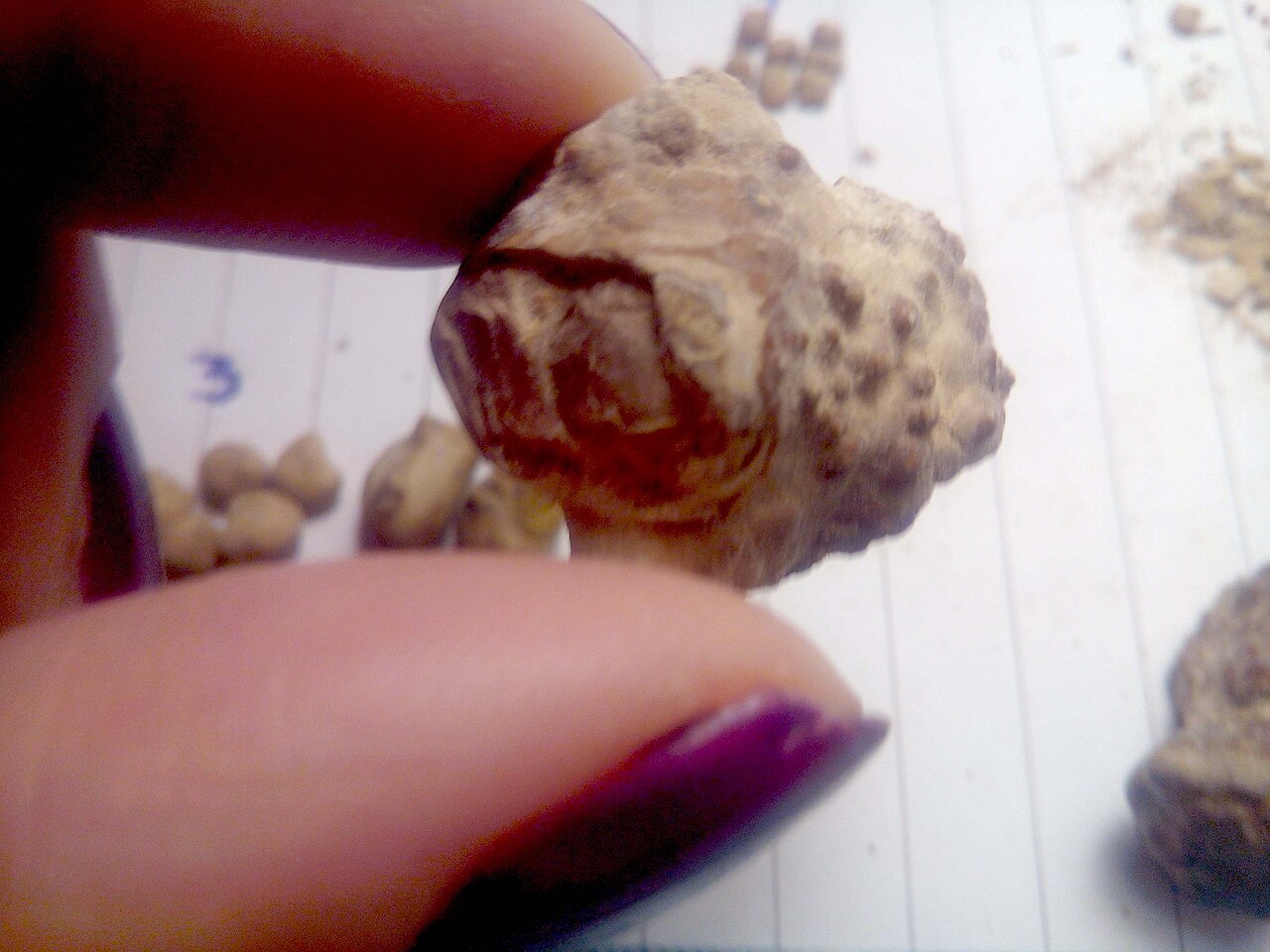
A stone can sit quietly in the kidney for years. Trouble starts when it moves into the narrow tube that drains urine to the bladder (the ureter). That can cause:
- sudden, severe pain in the side or back, often spreading to the groin (renal colic)
- blood in the urine
- feeling sick or vomiting
💧 Why do stones form?
Think of it as three things going wrong at once:
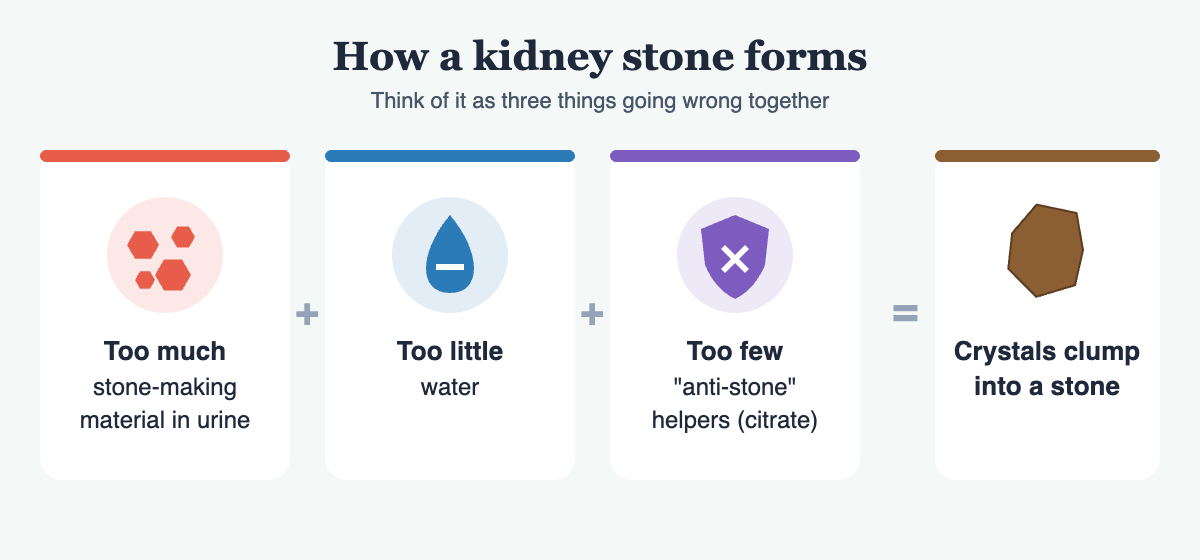
- Too much stone-making material in the urine. The most common problems are too much calcium or too much oxalate in the urine. Too much uric acid is a less common cause.
- Too little water. Concentrated urine makes it easier for crystals to form.
- Too few protectors. Low citrate or magnesium in the urine means crystals clump together more easily.
How acidic or alkaline your urine is also matters. Some stones form in acidic urine, others in alkaline urine.
What tips the balance?
- Not drinking enough, especially in hot weather or with heavy sweating
- A diet high in salt, which pushes more calcium into the urine
- A lot of animal protein, such as red meat
- Sugary sodas
- Being overweight, or having diabetes or metabolic syndrome
- Medical conditions such as an overactive parathyroid gland, bowel disease (like Crohn’s), gout or repeated urine infections
On the other hand, water, coffee, tea and orange juice are linked with fewer stones. Water is the best choice.
🧩 The main types of stones
| Stone type | How common? | What causes it |
|---|---|---|
| Calcium oxalate | Most common | Too much calcium or oxalate in the urine, too little water |
| Calcium phosphate | Common | Overactive parathyroid gland, kidney acid problems, infection |
| Uric acid | About 1 in 10 | Very acidic urine, gout, diet high in meat |
| Struvite (“infection stones”) | 2–15 in 100 | Certain germs that make urine very alkaline |
| Cystine | 1–2 in 100 adults | A rare inherited condition |
| Rare types | Very rare | Some medicines, rare genetic conditions |
Because each type has a different cause, doctors sometimes test a stone to find out which type it is. This can help guide prevention.
🔄 So where does calcium fit in?
Most stones contain calcium, so it’s tempting to blame the calcium on your plate. But the real problem is usually what happens in the urine, not how much calcium you eat. And this is where the surprise comes in.
🥛 Calcium from food protects you
Many foods, like spinach, nuts and tea, contain oxalate. When you eat calcium-rich food with a meal, the calcium grabs the oxalate inside your gut. The two leave your body together in your stool and never reach your kidneys.
Cut the calcium, and that protection is lost. More oxalate slips through to your kidneys, so stone risk can go up, and your bones lose out too.
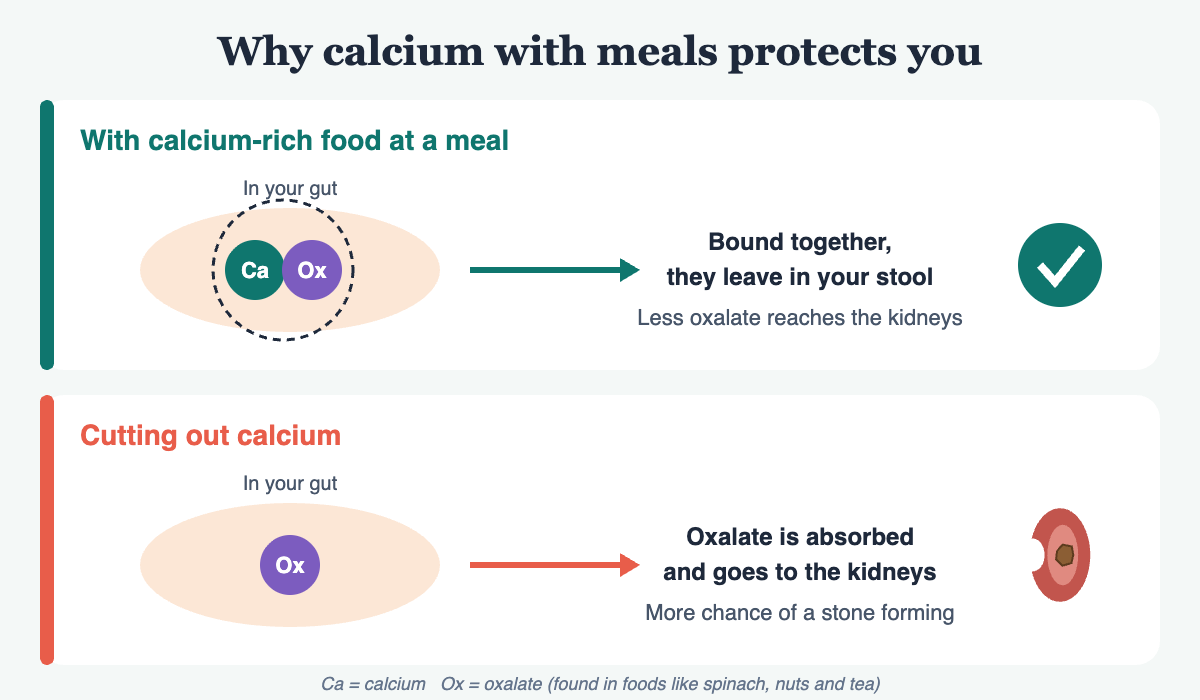
That’s why the latest guidelines say do not restrict calcium:
- UK (NICE): adults should keep a normal 700–1,200 mg a day.
- Europe and the USA: 1,000–1,200 mg a day.
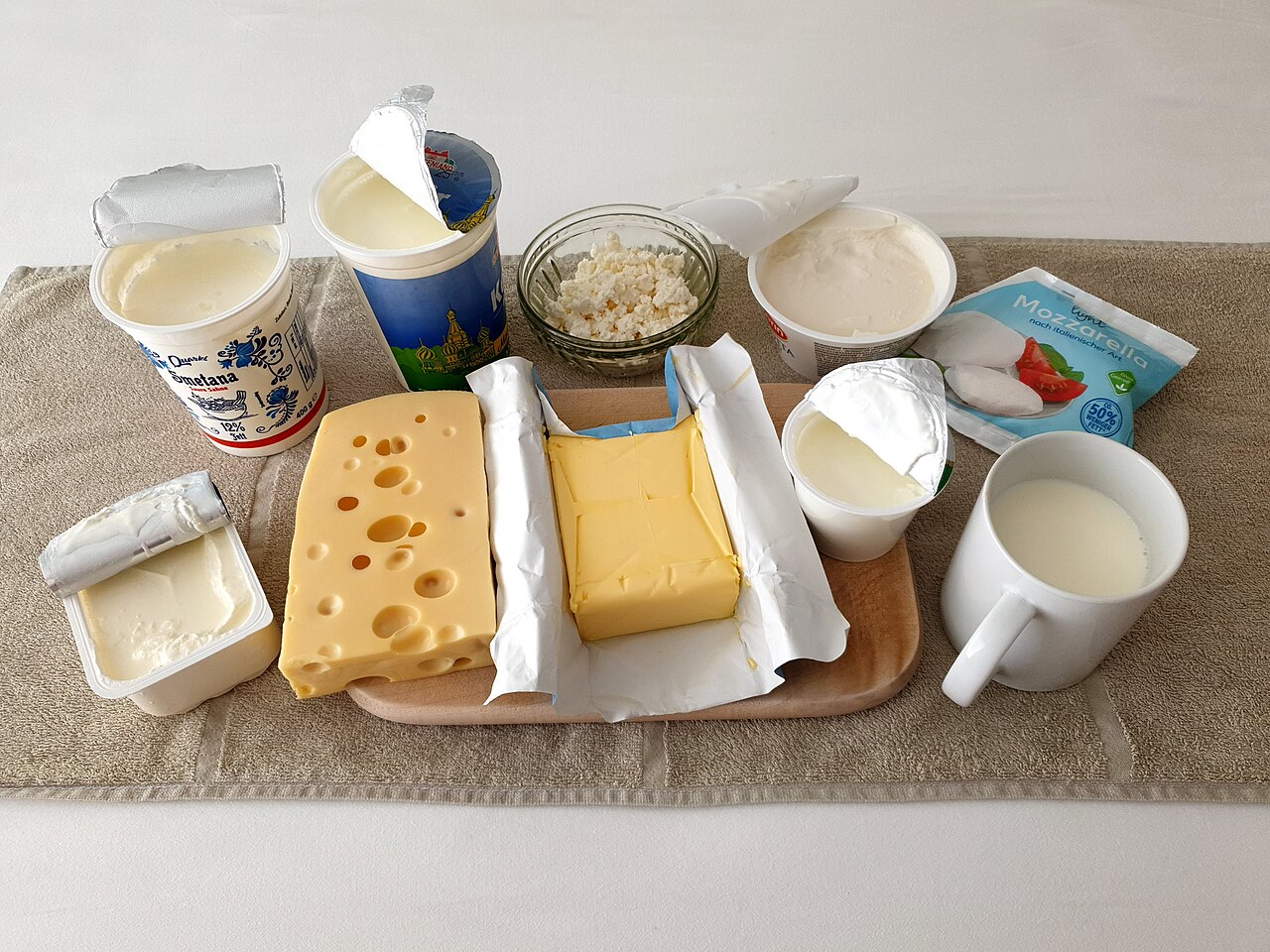
Good food sources of calcium: milk, yoghurt, cheese, calcium-fortified plant milks, calcium-set tofu, and tinned fish with soft bones, like sardines.
💊 So why be careful with calcium tablets?
Calcium tablets are not the same as calcium in food. If you take them between meals, there’s no oxalate in the gut for the calcium to grab, so more calcium can pass straight into your urine.
The latest guidelines say:
Calcium supplements are not recommended for people who form stones, unless there is a specific medical reason, and over-supplementation should be avoided.
They also list calcium, vitamin D and vitamin C, taken in excess, among substances that can change urine in ways that favour stones.
⚠️ Talk to your doctor before taking calcium or vitamin D tablets if you:
- have had a kidney stone before
- have high blood calcium, or an overactive parathyroid gland
- have sarcoidosis
- have moderate to severe kidney disease
- already take other products containing calcium or vitamin D, such as multivitamins or antacids
✅ When calcium tablets help
People with certain bowel conditions absorb too much oxalate. These include Crohn’s disease, having part of the bowel removed, and some types of weight-loss surgery. For them, guidelines strongly recommend calcium tablets taken with meals.
Some people also need calcium and vitamin D for their bones, for example with osteoporosis or long-term steroid tablets. Don’t stop these on your own. Your doctor can weigh up the benefits and risks with you.
📋 Do’s and don’ts if you’ve had a kidney stone
✅ DO
- Drink 2.5–3 litres of fluid a day, mostly water (unless your doctor has told you to limit fluids).
- Eat calcium-rich foods with meals.
- Cut down on salt, salty processed foods and red meat.
- Eat plenty of fruit, vegetables and fibre.
- Keep to a healthy weight and stay active.
- You can follow the usual UK advice on vitamin D: a daily 10 microgram supplement in autumn and winter.
❌ DON’T
- Don’t cut calcium out of your diet.
- Don’t start calcium tablets without checking with your doctor first.
- Don’t take high-dose vitamin D or vitamin C supplements unless your doctor advises it.
- Don’t drink lots of sugary sodas.
- Don’t stop prescribed bone tablets without talking to your doctor.
🎯 The bottom line
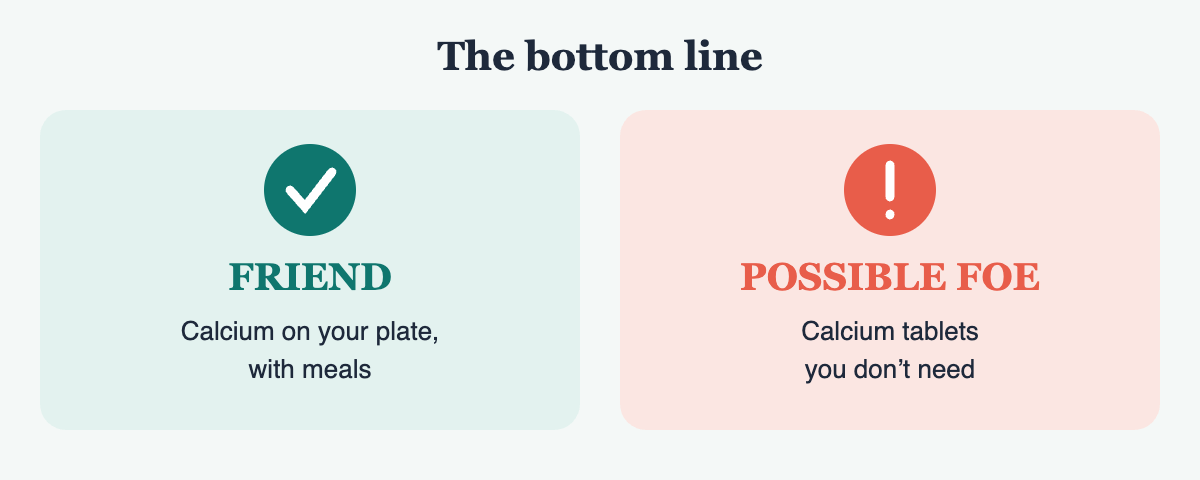
Calcium on your plate = friend. Calcium tablets you don’t need = possible foe.
Stopping calcium is not the treatment for kidney stones. The real treatment is more water, less salt, a balanced diet, and getting your calcium from food.
References
- NICE NG118. Renal and ureteric stones: assessment and management (2019).
- European Association of Urology. Guidelines on Urolithiasis: Metabolic evaluation and recurrence prevention (current edition).
- American Urological Association. Medical Management of Kidney Stones guideline (July 2026).
- Lin BB et al. Dietary and lifestyle factors for primary prevention of nephrolithiasis: meta-analysis. BMC Nephrol 2020;21:267.
- NHS. Vitamin D: vitamins and minerals (nhs.uk).
Photos via Wikimedia Commons, credited under each image. Diagrams: MythFreeHealth.